Of Fried Catfish Good For Low Carb Diet

Of Fried Catfish Good For Low Carb Diet

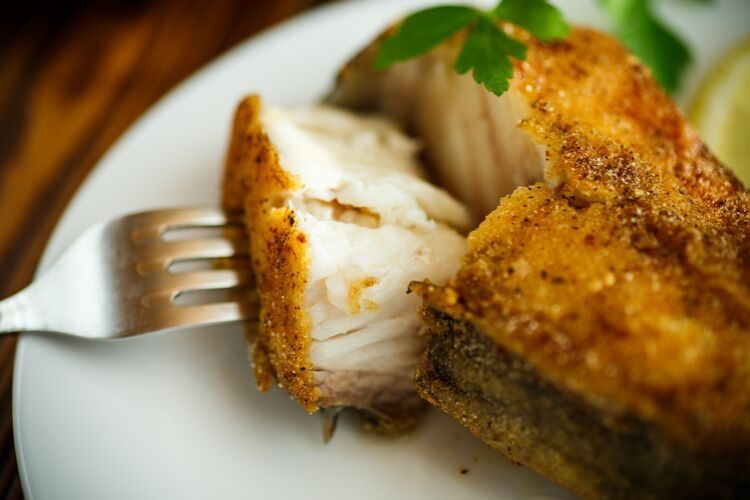
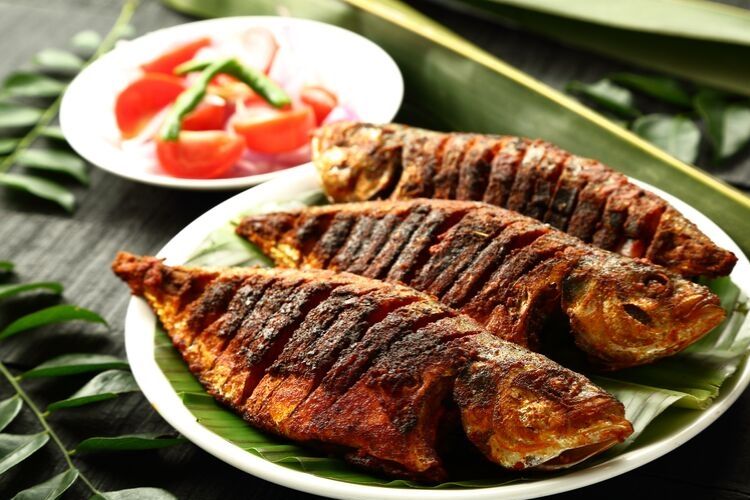
fried fish is keto

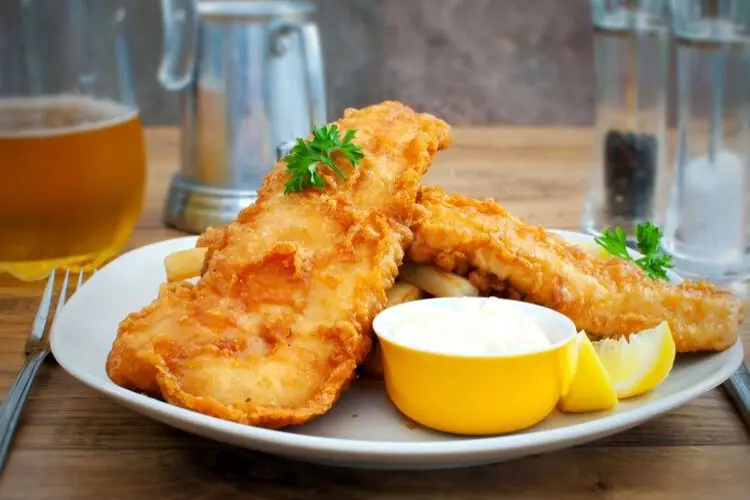
Sprinkled with salt and doused in vinegar, an order of fish and chips can't be beat.  However, it may not exactly be considered health food.  Although high in calories and fat, fried fish is actually quite nutritious.

Not only is fish tasty and easy to prepare, it's also an excellent source of protein and omegas.  Most types of fish also contain omega-3 fatty acids, which are incredibly heart-healthy fats.

Even better, fish is low in carbs and fits in well with low carb diets, like Keto.  Pan frying fish with a light coating of almond flour or coconut flour is preferred over heavily breaded, deep fried fish.  But crispy, battered, deep-fried fish isn't totally off limits.  You can still consume a fillet on the Keto diet as long as you factor it in to your daily carb count.

You should find it relatively easy to incorporate fish into your Keto meal plan prepared a number of different ways, including fried.  So go ahead and add fish to your diet today.

How Many Carbs are in Fried Fish?

A single fillet of deep-fried fish contains 350 to 500 calories, depending on the size.

Add to that the full accoutrement of a full order of fish and chips; including tartar sauce at 150 calories per tablespoon, French fries at 250 calories, coleslaw 150 calories per half-cup…  A full order of fish and chips can run upwards of 1000 calories!

If you're following a calorie-reduction diet plan, you may wish to consume the fish and only a few of the fries to keep the calorie count of your meal reasonable.  Or pair your fish with a salad instead.

How Many Calories are in Fried Fish?

One battered, fried fish fillet contains 15.4 grams of carbs.

One pan fried fish fillet lightly rolled in a tablespoon of flour contains only 6 grams of carbs. Pan frying significantly reduces the calories, too.

Nutrition Facts

Serving Size: 1 Deep Fried Fish Fillet
Calories 260
Total Fat 16 grams
Saturated Fat 4 grams
Trans Fat 4 grams
Cholesterol 35 milligrams
Sodium 790 milligrams
Potassium 0 milligrams
Total Carbohydrate 17 grams
Dietary Fiber 0 grams
Sugars 0 grams
Protein 12 grams
Vitamin A 2% DRV
Vitamin C 8% DRV
Calcium 2% DRV
Iron 4% DRV

Health Benefits

calories in fried fish

Overview

A fillet of fried fish provides vitamin C, vitamins B6 and B12.  Just one four-ounce fillet of fish can contain 100% of your daily recommended value of vitamin D, an important nutrient that most people are lacking!  You'll also get a healthy dose of iron, calcium, iodine, and zinc.  Additionally, fish provides omega-3 fatty acids, along with high-quality protein and some fiber.

Rich in Vitamin D

Fish is chock full of nutrients, like protein and vitamin D.  Vitamin D is an important nutrient, of which almost half the population is deficient.  Fish is one of the best sources of vitamin D and contains more of this vitamin than most other foods.

Excellent Source of Omega-3 Fatty Acids

Fatty types of fish, like salmon, trout, sardines, tuna, and mackerel, are higher in fat-based nutrients and very nutritious because of their omega-3 fatty acids.

Supports Brain Function

Omega-3 fatty acids reduce the risk of disease and support brain function.  Some studies conclude that omega-3 fatty acids that are abundant in fish might even fight depression.  People who consume fish regularly were much less likely to become depressed.

It can also slow brain decline while aging.  Other studies determined that people who consume fish regularly have slower rates of mental decline.

Prevents Heart Disease

Unsaturated fat, like the type in fish is actually good for your heart.  In fact, fish is one of the most heart-healthy foods you can eat!  Studies show eating a few servings of fish each week can lower your risk of heart disease by around 15% thanks to the heart-healthy omegas.  These healthy fats can help reduce the risk of heart attacks and stroke.

Reduces the Risk of Chronic Diseases

Eating fish regularly is also linked to a reduced risk of diabetes.

Studies show that regular fish consumption is linked to a 24% lower risk of asthma in children, but no significant effect has been found in adults.

Another study found that eating fish once per week was linked to a decreased risk of age-related macular degeneration.

Side Effects

carbs in fried fish

Although fish is good for you, it loses much of its nutritional benefits after it's deep-fried. The frying process destroys most of the omega-3 fatty acids in fish, arguably the most nutritious part of the fish.  In fact, one study determined that frying a serving of tuna reduced the fatty acids in the fish by 75%.

The unsaturated fats in fish, such as salmon, actually have health benefits.  However, if you fry your fish at high temperatures, the frying process can destroy the omega-3 fatty acids. If you use an unhealthy oil (saturated trans fat) it could contribute to high cholesterol and increased risk of heart disease.

If you use a healthy oil for frying like olive, canola or coconut oils and don't turn the heat up too high, you can preserve more of these essential fatty acids in your fish fillet.  If using extra virgin olive oil, keep the heat lower to prevent the healthy properties in the oil from breaking down at a high smoke point.

The American Heart Association recommends consuming non-fried fish or shellfish at 5.5 ounces a day and up to 8 ounces of fish each week.

Crispy Low Carb Deep-Fried Fish Recipe – Make it Keto!

Ingredients:

  • 2 pounds haddock
  • 1/2 teaspoon pink Himalayan sea salt
  • 1/4 cup coconut flour
  • 1/4 cup almond flour
  • 2 teaspoons Baking Powder
  • Peanut oil (for deep frying) or oil of choice.
  • 2 large Eggs
  • 1/3 cup carbonated water (the carbonation makes it crispier)
  • 1 Lemon, cut into wedges for garnish.

Instructions:

  1. Slice the fish into equal sized fillets and sprinkle with sea salt.
  2. In a large bowl, whisk together another pinch of salt, flour, and baking powder.
  3. Incorporate both eggs and slowly pour in sparkling water, little by little while continuing to whisk.
  4. Heat oil in a pot or deep fryer.  Adding each piece one at a time, careful not to overcrowd the fish.  Overcrowding reduces the heat of the oil, and makes your fish soggy.  Make sure your oil stays nice and hot to keep the fish crispy.
  5. Gently flip the fish over and cook until golden brown, it should take about 5-7 minutes.
  6. Drain the fish in the fryer basket before placing onto a cooling rack. Lay the pieces of fish on rack and pat off the excess grease with paper towel.
  7. Repeat this process with the rest of the fillets if you need to fry in batches.
  8. Enjoy with a squirt of fresh lemon.

Each serving contains 400 calories, 6 grams of carbs, 33 grams of protein and 28 grams of fat.

Healthiest Oil to Use to Fry Fish

Extra virgin olive oil is fine to use when pan-frying fish because it has a high smoke point and it's a heart-healthy unsaturated fat.

Other good oils for deep frying include sunflower, coconut, safflower, canola and peanut oils.

Healthiest Ways to Cook Fish

  • Fry your fish in an air fryer to use less oil. You'll get that same crispy fried taste and texture, but with a lot less fat.
  • Avoid eating fish too often that is heavily salted, breaded or deep-fried.
  • Steam your fish instead. Steaming fish keeps it moist, without adding extra fat.
  • Poaching keeps fish firm.
  • Broiling is makes fish flavorful and it's a great low fat method.
  • Grilling is another great way to prepare fish in a healthier way.
  • Baking in the oven with dill and lemon makes a tasty fish dinner.

Of Fried Catfish Good For Low Carb Diet

Source: https://www.lowcarbhack.com/fried-fish-keto-calories-carbs/

Share:

Low Carb Diet Bad For Sarcoidosis

Low Carb Diet Bad For Sarcoidosis

Lots of today's trendy diets — think Atkins, keto and sometimes paleo — are centered around low-carb foods. But cutting carbs to lose weight fast isn't a new idea. It's been around for more than 150 years. So what's driving the popularity of this eating plan?

With a low-carbohydrate diet, you keep your carbohydrates lower than what's typically found in Western diets, Jen Bruning, a registered dietitian and spokesperson for the Academy of Nutrition & Dietetics, told TODAY.

Processed foods and fast foods — common in Western diets — are often high in carbs. They can contain a lot of refined carbs that don't offer a lot of nutritional value. Low-carb diets limit these high-carb foods, as well as grains, starchy vegetables (like potatoes and peas) and fruit. They emphasize foods low in carbs and high in protein and fat instead, like meat, cheese and nuts, as well as leafy vegetables.

How does the low-carb diet work?

To start, there's no one low-carb diet. Different plans cut carbs down to different levels. The strictest diets aim to cut carbs down to zero. Others target 150 grams or less per day. As a comparison, the Dietary Guidelines for Americans recommend 225 to 325 grams per day as part of a healthy eating plan that doesn't focus on limiting carbs.

Bonnie Taub-Dix, a registered dietitian and author of "Read It Before You Eat It: Taking You from Label to Table," points out that carbs aren't all nutritionally the same. A slice of whole-grain bread, a small piece of fruit and four packets of sugar could all have about 15 carbs. "Those food all have completely different health profiles," she said. The bread has fiber, vitamins and minerals, and can help you feel full. The fruit might have fiber and antioxidants. The sugar has no nutritional value except for energy.

People want to know the best ways to lose weight and how to lose weight fast. But there's more to understand. "If you want to eat more healthfully and lose weight, you have to think about what your body needs and your health needs, not just your weight-loss needs," Taub-Dix said.

What does the research say about the low-carb diet?

What are low-carb diet benefits? Bruning said with low-carb dieting you might see improvements in blood sugar levels and weight loss. But the weight loss might not last. "Research also suggests a tendency to regain any lost weight when eating patterns return to normal," she said.

Sticking with a low-carb eating plan may help you maintain weight loss, though.

According to the Mayo Clinic, low-carb diets might help prevent or improve metabolic syndrome, diabetes, high blood pressure and heart disease.

A study published in the Journal of the American College of Nutrition found that for people with type 2 diabetes, diets that were low in carbs helped them lose weight and reduce the medication they needed to take to control of their diabetes.

Is low-carb a good choice for you?

You might want to try a low-carb diet if you're looking to lose weight in the short term or to prevent or improve metabolic syndrome, diabetes, high blood pressure or heart disease.

A low-carb diet includes a lot of other food options, so if you don't like diets with severe food restrictions you might like the variety it offers.

You may also want to look at the kinds of carbs you're eating to see where you can make changes. "If you examine your diet and feel you are lacking in non-starchy vegetables but eat lots of added sugar, you may choose to lower your refined carbohydrate intake in favor of more veggies," Bruning said.

And remember that low-carb diets are low in certain nutritious foods. "Plenty of higher-carbohydrate foods are very healthful. Think legumes, fruit and whole grains," Bruning said. "Low-carb diets also tend to be low in fiber, and fiber is known to be protective against heart disease and some cancers."

Taub-Dix is wary of any diet that eliminates an entire food group. "No one food or food group is going to be magical for you or horrible for you unless you have a food allergy or intolerance," she said. "We shouldn't demonize any one particular food or food group. That should be a red flag when choosing a diet — if a food group is eliminated, steer clear of that diet."

What do you eat on the low-carb diet?

Generally, low-carb menus will include foods that are higher in protein and fat.

On a low-carb diet, you're likely to eat foods like:

  • Meat
  • Poultry
  • Fish
  • Eggs
  • Some nonstarchy vegetables

You'll cut out or limit:

  • Grains
  • Legumes like lentils, beans and peas
  • Fruits
  • Breads
  • Sweets
  • Pasta
  • Rice
  • Starchy vegetables like potatoes, corn and butternut squash
  • Milk
  • Sometimes nuts and seeds

Following a low-carb diet, in a typical day you might eat low-carb meals like:

  • Breakfast: Omelet with cheese, mushrooms, tomatoes and spinach
  • Lunch: Cobb salad
  • Dinner: Chicken drumsticks with coleslaw
  • Snack: Roasted pecans

The low-carb diet is similar to:

  • Keto diet, which typically limits carbs to 50 grams a day or less
  • Keto/FLEX 12/3, which blends a low-carb diet and fasting
  • Low-carb, high-fat diet, which pairs a reduction in carbs with an increase in high-fat foods
  • Paleo diet, which tends to be low-carb in practice because it emphasizes a lot of low-carb foods
  • Atkins diet, which has a four phases of carb intake levels
  • Zero-carb diet, which aims to reduce carbs to (you guessed it) zero

Is the low-carb diet effective long-term?

Compared with low-fat dieters, low-carb dieters may see a short-term weight-loss boost. But the gain tends to disappear after a year or two, according to the Mayo Clinic. It's possible that eating more protein and fat instead of carbs can help keep you feeling full, so you eat less.

Most studies of low-carb diets have lasted less than a year. So it's not clear yet if a low-carb diet has long-term health risks.

Talk with your doctor before starting a low-carb diet or any other diet — your doctor can recommend the best healthy diet for you, based on your needs.

Stephanie Thurrott is a writer who covers mental health, personal growth, wellness, family, food and personal finance, and dabbles in just about any other topic that grabs her attention. When she's not writing, look for her out walking her dog or riding her bike in Pennsylvania's Lehigh Valley.

Low Carb Diet Bad For Sarcoidosis

Source: https://www.today.com/health/low-carb-diet-what-you-should-know-trying-one-today-t197225

Share:

Is Mayonnaise Good For Low Carb Diet

Is Mayonnaise Good For Low Carb Diet

Photo Courtesy: [Phil Fisk/Cultura/Getty Images]

Carbs may be delicious, but, depending on your health status and any conditions you may have, they may not be the most nourishing (or healthy) macronutrients for you to eat. However, that doesn't mean you can't enjoy your favorite typically higher-carb foods — it just means you need a bit of creativity and a few tips and tricks for making modifications. That's especially true when it comes to a classic breakfast favorite: quiche.

Traditional quiche begins with a pie crust as its base, which isn't ideal if you're limiting carbs. But, by removing the crust — or using some delicious, low-carb substitutes — you can still enjoy the delicate egg and zesty ingredient combinations that make this dish so versatile. Start diversifying your low-carb breakfast menu (or even your evening meals) with these easy crustless quiche recipes.

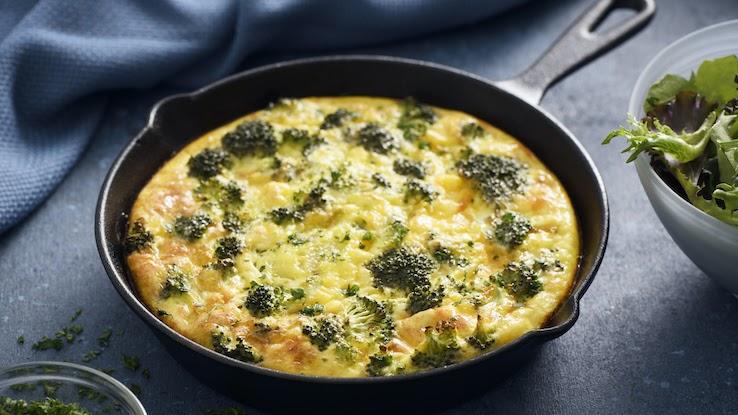
Crustless Vegetable Quiche

Photo Courtesy: [EasyBuy4u/Getty Images]

Starting the day with an array of healthy vegetables — plus the protein from eggs — on your plate is never a bad idea. That's why this crustless vegetable quiche is such a nice option: You get great flavors and all the nutritional benefits of whatever veggies you add. Plus, it's vegetarian friendly. Even if you're not fully vegetarian, there are some great reasons to try this quiche; forgoing meat once in a while and upping your consumption of fresh produce can improve your cholesterol levels, for one.

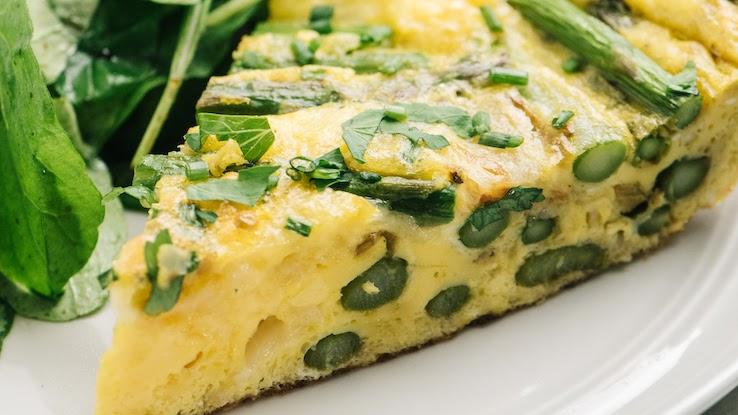
This recipe from Food.com calls for broccoli, red pepper and zucchini, though you can swap them out for other vegetables if you prefer. Mushrooms, asparagus and tomatoes are tasty options as well. All are great sources of different vitamins, minerals and fiber. Add the cheese of your choice and some salt and pepper or other spices for an easy way to change up the flavor profile.

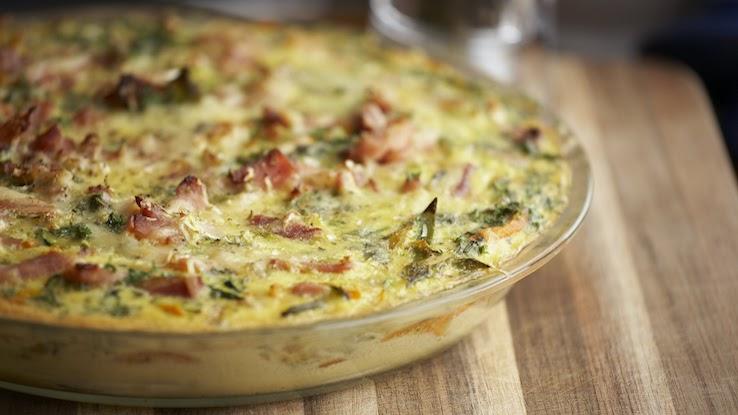
Crustless Quiche Lorraine

 Photo Courtesy: [jaker5000/Getty Images]

Quiche Lorraine might be one of the most classic (and best-known) recipes for this dish — and it's just as delicious without the crust. If you're looking for a keto-friendly breakfast dish that helps you reach your daily protein goals, this crustless quiche Lorraine, also from Food.com, is a top option.

Generally, people who follow the ketogenic diet get about 75% of their daily calories from fat, 20-30% from protein and around 5% from carbs. This recipe gets its fat and protein from the eggs, bacon and Swiss cheese you'll use. If you want to add a vegetable for extra flavor and nutrients, try spinach; it's relatively low in carbs but packed with healthy vitamins A and K.

Bacon Cheeseburger Keto Breakfast Quiche

 Photo Courtesy: [John Rizzo/Getty Images]

Looking for more crustless quiche options that work just as well for dinners as they do your morning meals? You'll want to try this bacon cheeseburger keto quiche from Kalyn's Kitchen. It satisfies keto fat and protein requirements thanks to its ground beef, bacon, eggs and the cheese of your choice (we recommend sharp cheddar). For a little bit of low-carb veggie crunch, add a handful of green onions and pickles into the mix too — yes, pickles in crustless quiche. They really do elevate this dish with their crunch and zesty tang.

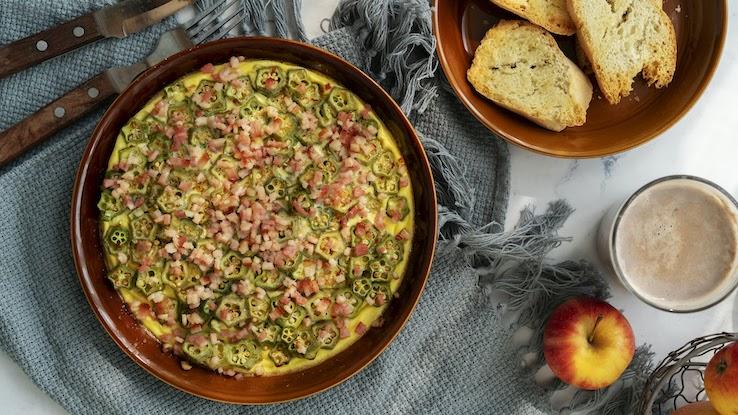
Spicy Southwest Crustless Quiche

 Photo Courtesy: [yipengge/Getty Images]

For those on the keto diet who also like a little kick to their meals, this spicy Southwest crustless quiche from the folks at Wisconsin Cheese will definitely satisfy any flavor cravings. It's packed full of fat and protein thanks to its eggs, heavy whipping cream, milk and pork sausage. Add some jalapenos, green peppers and pepper jack cheese to crank up the spice level.

As with most of the quiche dishes in this list, you'll cook this in a greased pie dish at 350 degrees Fahrenheit until the edges are golden brown and the center of the quiche no longer looks runny or jiggly. It may take about 45 minutes to achieve the right cooked consistency, and you can also tell the quiche is done — as with many baked treats — when a knife inserted into the center comes out clean. Let the quiche stand for about 10 minutes to fully firm up before slicing into it.

Vegan Crustless Quiche

 Photo Courtesy: [Cavan Images/Getty Images]

This one is a bit of a surprise — a unique and flavorful surprise. You already know quiche is an egg dish, and eggs aren't vegan. So you might also be wondering how a vegan version could exist. In showcasing some true culinary creativity, this vegan crustless quiche from The Spruce Eats utilizes tofu, dairy-free crumbled cheese, soy or almond milk, nutritional yeast, ground cashews and dairy-free cream cheese.

The result is a smooth, authentic crustless quiche that's perfect for people who eat a plant-based diet or those who are allergic to eggs. In addition to its healthful egg-free base, it's got asparagus, garlic and turmeric to spice things up just right. You can always add or substitute your preference for other veggies as well; consider using what's in season to enjoy them at their peak of freshness.

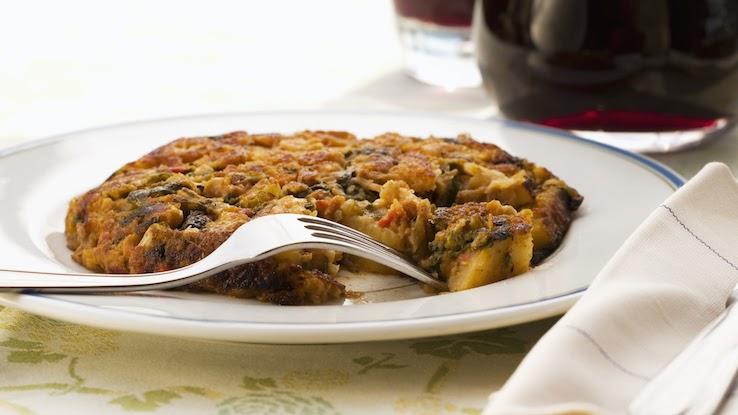
Kale and Feta Crustless Quiche

 Photo Courtesy: [Kale and Feta Crustless Quiche/Eating Bird Food]

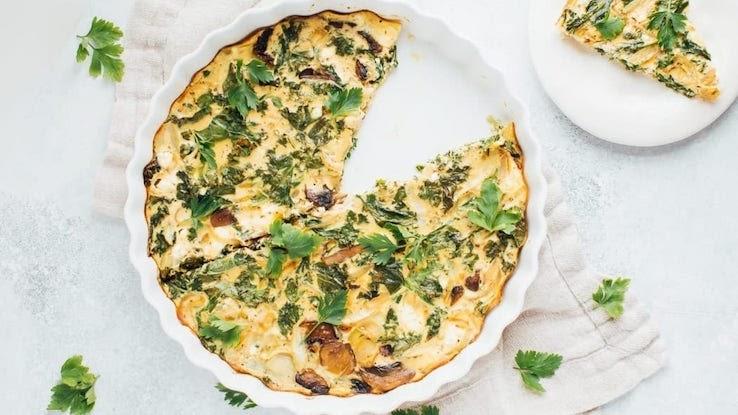
Eating Bird Food's kale and feta crustless quiche recipe is an easy yet flavorful low-carb meal that makes for not only a delicious breakfast but also an ideal main course for lunch or dinner. Simply pair a slice with a cup of soup or a salad to create a well-rounded meal. As an added bonus, this recipe is a little different from other basic crustless quiches, which can keep your taste buds on their toes while giving you a nutrient boost at the same time.

Aside from the kale, feta and eggs — its star ingredients — this recipe uses coconut oil, almond milk, mushrooms, garlic, nutmeg and parsley. And here's an interesting tidbit of information about kale: It's a superfood that's chock-full of vitamins and minerals — but that's also low in calories and carbs.

Resource Links:

https://nutritiondata.self.com/facts/vegetables-and-vegetable-products/2626/2

https://www.mayoclinichealthsystem.org/hometown-health/speaking-of-health/the-many-types-and-health-benefits-of-kale

MORE FROM SYMPTOMFIND.COM

Is Mayonnaise Good For Low Carb Diet

Source: https://www.symptomfind.com/health/basic-crustless-quiche-recipes?utm_content=params%3Ao%3D740013%26ad%3DdirN%26qo%3DserpIndex

Share:

Examples Of 1200 Calorie Low Carb Diet

Examples Of 1200 Calorie Low Carb Diet

Photo Courtesy: [Phil Fisk/Cultura/Getty Images]

Carbs may be delicious, but, depending on your health status and any conditions you may have, they may not be the most nourishing (or healthy) macronutrients for you to eat. However, that doesn't mean you can't enjoy your favorite typically higher-carb foods — it just means you need a bit of creativity and a few tips and tricks for making modifications. That's especially true when it comes to a classic breakfast favorite: quiche.

Traditional quiche begins with a pie crust as its base, which isn't ideal if you're limiting carbs. But, by removing the crust — or using some delicious, low-carb substitutes — you can still enjoy the delicate egg and zesty ingredient combinations that make this dish so versatile. Start diversifying your low-carb breakfast menu (or even your evening meals) with these easy crustless quiche recipes.

Crustless Vegetable Quiche

Photo Courtesy: [EasyBuy4u/Getty Images]

Starting the day with an array of healthy vegetables — plus the protein from eggs — on your plate is never a bad idea. That's why this crustless vegetable quiche is such a nice option: You get great flavors and all the nutritional benefits of whatever veggies you add. Plus, it's vegetarian friendly. Even if you're not fully vegetarian, there are some great reasons to try this quiche; forgoing meat once in a while and upping your consumption of fresh produce can improve your cholesterol levels, for one.

This recipe from Food.com calls for broccoli, red pepper and zucchini, though you can swap them out for other vegetables if you prefer. Mushrooms, asparagus and tomatoes are tasty options as well. All are great sources of different vitamins, minerals and fiber. Add the cheese of your choice and some salt and pepper or other spices for an easy way to change up the flavor profile.

Crustless Quiche Lorraine

 Photo Courtesy: [jaker5000/Getty Images]

Quiche Lorraine might be one of the most classic (and best-known) recipes for this dish — and it's just as delicious without the crust. If you're looking for a keto-friendly breakfast dish that helps you reach your daily protein goals, this crustless quiche Lorraine, also from Food.com, is a top option.

Generally, people who follow the ketogenic diet get about 75% of their daily calories from fat, 20-30% from protein and around 5% from carbs. This recipe gets its fat and protein from the eggs, bacon and Swiss cheese you'll use. If you want to add a vegetable for extra flavor and nutrients, try spinach; it's relatively low in carbs but packed with healthy vitamins A and K.

Bacon Cheeseburger Keto Breakfast Quiche

 Photo Courtesy: [John Rizzo/Getty Images]

Looking for more crustless quiche options that work just as well for dinners as they do your morning meals? You'll want to try this bacon cheeseburger keto quiche from Kalyn's Kitchen. It satisfies keto fat and protein requirements thanks to its ground beef, bacon, eggs and the cheese of your choice (we recommend sharp cheddar). For a little bit of low-carb veggie crunch, add a handful of green onions and pickles into the mix too — yes, pickles in crustless quiche. They really do elevate this dish with their crunch and zesty tang.

Spicy Southwest Crustless Quiche

 Photo Courtesy: [yipengge/Getty Images]

For those on the keto diet who also like a little kick to their meals, this spicy Southwest crustless quiche from the folks at Wisconsin Cheese will definitely satisfy any flavor cravings. It's packed full of fat and protein thanks to its eggs, heavy whipping cream, milk and pork sausage. Add some jalapenos, green peppers and pepper jack cheese to crank up the spice level.

As with most of the quiche dishes in this list, you'll cook this in a greased pie dish at 350 degrees Fahrenheit until the edges are golden brown and the center of the quiche no longer looks runny or jiggly. It may take about 45 minutes to achieve the right cooked consistency, and you can also tell the quiche is done — as with many baked treats — when a knife inserted into the center comes out clean. Let the quiche stand for about 10 minutes to fully firm up before slicing into it.

Vegan Crustless Quiche

 Photo Courtesy: [Cavan Images/Getty Images]

This one is a bit of a surprise — a unique and flavorful surprise. You already know quiche is an egg dish, and eggs aren't vegan. So you might also be wondering how a vegan version could exist. In showcasing some true culinary creativity, this vegan crustless quiche from The Spruce Eats utilizes tofu, dairy-free crumbled cheese, soy or almond milk, nutritional yeast, ground cashews and dairy-free cream cheese.

The result is a smooth, authentic crustless quiche that's perfect for people who eat a plant-based diet or those who are allergic to eggs. In addition to its healthful egg-free base, it's got asparagus, garlic and turmeric to spice things up just right. You can always add or substitute your preference for other veggies as well; consider using what's in season to enjoy them at their peak of freshness.

Kale and Feta Crustless Quiche

 Photo Courtesy: [Kale and Feta Crustless Quiche/Eating Bird Food]

Eating Bird Food's kale and feta crustless quiche recipe is an easy yet flavorful low-carb meal that makes for not only a delicious breakfast but also an ideal main course for lunch or dinner. Simply pair a slice with a cup of soup or a salad to create a well-rounded meal. As an added bonus, this recipe is a little different from other basic crustless quiches, which can keep your taste buds on their toes while giving you a nutrient boost at the same time.

Aside from the kale, feta and eggs — its star ingredients — this recipe uses coconut oil, almond milk, mushrooms, garlic, nutmeg and parsley. And here's an interesting tidbit of information about kale: It's a superfood that's chock-full of vitamins and minerals — but that's also low in calories and carbs.

Resource Links:

https://nutritiondata.self.com/facts/vegetables-and-vegetable-products/2626/2

https://www.mayoclinichealthsystem.org/hometown-health/speaking-of-health/the-many-types-and-health-benefits-of-kale

MORE FROM SYMPTOMFIND.COM

Examples Of 1200 Calorie Low Carb Diet

Source: https://www.symptomfind.com/health/basic-crustless-quiche-recipes?utm_content=params%3Ao%3D740013%26ad%3DdirN%26qo%3DserpIndex

Share:

Can I Eat Butternut Squash On A Low Carb Diet

Can I Eat Butternut Squash On A Low Carb Diet

  • What Is Butternut Squash?
  • 7  Health Benefits of Butternut Squash
  • When to Eat Butternut Squash
  • What to Eat When You're Sensitive to Carbs

Butternut squash is a fall classic. Stick it in the oven, drizzle it with butter or coconut oil, cook until lightly brown, and you've got yourself a delicious meal or side dish. But are the carbs in butternut squash too much for keto?

GET RESULTS IN 30 DAYS

Join 90k+ people who are losing weight with Keto Kickstart, our doctor-developed program designed to give you real weight loss results.

You're in! Check your email to get started with the program.

When it comes to the ketogenic diet, higher-carb veggies could derail your keto macros and kick you out of ketosis .

Because of its net carb count, you may assume that you have to avoid butternut squash dishes. But don't delete all those squash recipes from your keto meal plan just yet. You might be able to use this nutritious winter squash in your favorite keto recipes after all.

A quick look at the nutrition information and you'll find that butternut squash provides a rich array of nutrients like vitamin A, vitamin C, beta-carotene, and dietary fiber.

So does this somewhat starchy gourd deserve a place in your keto lifestyle? Read on to learn more about the benefits of butternut squash, its total carb count, and how it may, in fact, work in your low-carb diet.

What Is Butternut Squash?

Butternut squash is a winter squash with a beautiful orange-yellow color.

While summer squash tends to have thinner, edible skin, winter gourds like butternut squash has a thicker, inedible skin. Other types of winter squash include pumpkin, acorn, and spaghetti squash.

And despite it being a winter squash, you can usually find it all year long.

Craving butternut squash soup in the spring? No problem. Although harvested in the late summer and fall, you can store this hearty vegetable for months at a time.

In fact, some suggest that the nutrient density of certain squash increases as you store them.

Even without extended storage, butternut squash is full of nutrients. It's an excellent source of vitamin A, with just one cup of cubed squash containing nearly 100% of your daily needs.

It also provides 50% of your daily vitamin C requirements and 21 grams of fiber. And that yellow-orange color of the squash meat comes from its abundance of carotenoids, including both beta-carotene and alpha-carotene[ * ].

Take the keto quiz

Find the right keto snacks & supplements
for your unique goals

Take quiz

Now for the bad news.

The carbs in butternut squash are high — starchy carbs to be specific. One cup of cubed or pureed butternut squash contains about 18.5 grams of carbs.

With this in mind, you want to be careful when adding it to your ketogenic diet. However, before you write it off completely, let's take a look at some of the benefits of this winter squash.

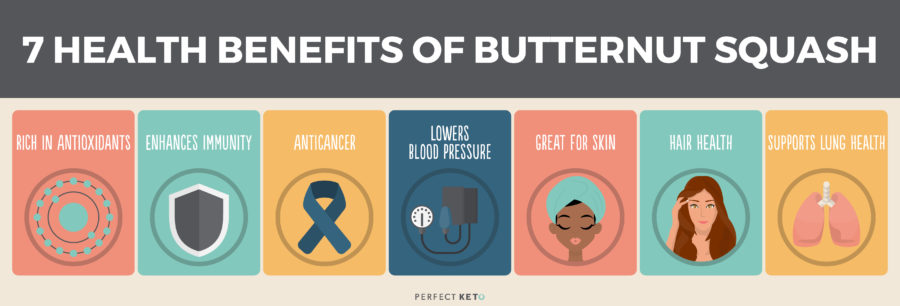
7 Health Benefits of Butternut Squash

In addition to the vitamins and fiber mentioned above, butternut squash offers a host of other health benefits. It's rich in immune-boosting antioxidants, which offer anticancer properties.

It also can help with heart disease prevention, provide stronger hair and skin health benefits, and more.

Add olive oil or some other form of healthy fat like avocado oil or ghee to your squash dish and you've now made the vitamin A even more bioavailable to your system.

Carbs in butternut squash: 7 health benefits

#1: Rich in Antioxidants

Your body creates oxidative stress every day as a regular part of being alive. Stressors like air pollution and carcinogens can create oxidation in your body, but simple processes like breathing and eating also have an impact.

That's what antioxidants are for.

Antioxidants from food combat this stress and bring balance to your system. The key is to consume enough antioxidants to maintain this balance so that oxidation doesn't trigger symptoms such as inflammation and tissue destruction.

An antioxidant is any compound that helps to reduce oxidation in your body. They come in many shapes and sizes, from vitamins and minerals to macronutrients like polysaccharides.

Butternut squash is a rich source of carotenoids, including beta and alpha carotene[ * ]. And among the many benefits of carotenoids is their antioxidant activity[ * ].

Butternut squash has also been studied for the antioxidant value of its polysaccharides. An in vitro study showed that antioxidants from butternut squash had significant free radical quenching activity[ * ].

#2: Enhances Immunity

Butternut squash is an immune-enhancing powerhouse. Aside from the rich array of vitamins and minerals in most vegetables, butternut squash has a few aces up its sleeve.

The carotenoids, as antioxidants, protect your cells from oxidation. This alone enhances immune function as it keeps things moving smoothly for your body on a cellular level[ * ].

Carotenoids may also increase your immune cell activity to help protect you against viruses.

One study showed that supplementation with beta carotene increased natural killer cell activity in elderly men. Natural killer cells are immune cells that fight off viruses and tumors, suggesting that beta carotene may be helpful for the treatment of viruses and tumors[ * ]

Many people claim that dosing yourself with vitamin C is a cure-all when it comes to immunity. This theory most likely comes from the fact that several immune cells need vitamin C to function properly, and a deficiency can lead to weakened immunity.

There aren't many good studies that can prove that vitamin C alone can kick the common cold.

However, the importance of vitamin C for optimal immune health is well established. When it comes to treating and preventing the common cold, studies support the importance of vitamin C as a major player[ * ].

#3: Cancer Fighting Properties

Along the lines of immunity, butternut squash also contains specific compounds that may have anticancer activity.

One study looked at the effect of moschatin, a protein found in butternut squash, on melanoma cells in vitro.

The study found that the protein had an anticancer effect on the cells, inhibiting melanoma growth. Moschatin is known as a ribosome-inactivating protein, meaning it inhibits the production of proteins. This activity could explain its anticancer effects[ * ].

The beta-carotene in butternut squash may also exhibit anticancer activity. Carotenoids can increase the activity of your immune cells.

Over 30 epidemiological studies have shown a correlation between a beta-carotene-rich diet, high levels of beta-carotene in the blood, and a lower incidence of cancer. This could be because of an increase in immune activity[ * ].

#4: Lowers Blood Pressure

Potassium is one of the most essential nutrients for balancing blood pressure. Butternut squash is a fantastic source of potassium, containing about 16% of your daily requirement in just one cup[ * ].

Potassium affects your blood pressure by balancing the effects of sodium. The more potassium you consume, the more sodium you excrete in your urine. Since the Standard American Diet tends to be sodium-heavy, getting enough potassium to keep the balance is essential[ * ].

Potassium also helps your blood vessels to relax, allowing more gentle blood flow throughout your body. When your blood vessels are tense, they contract, and blood flow becomes more rapid (high blood pressure)[ * ].

A meta-analysis was done of 33 randomized controlled trials with over 2600 participants to assess the correlation of dietary potassium and blood pressure.

Researchers found that low potassium intake had a strong positive correlation with high blood pressure, and suggested that patients should consider more dietary potassium as prevention and treatment for hypertension[ * ].

#5: Great for Skin

When it comes to skin health, vitamin A may be the single most powerful nutrient you can consume. And butternut squash is an excellent source of vitamin A.

GET RESULTS IN 30 DAYS

Join 90k+ people who are losing weight with Keto Kickstart, our doctor-developed program designed to give you real weight loss results.

You're in! Check your email to get started with the program.

Vitamin A plays a key role in regulating skin cell proliferation — aka, the rate at which cells divide and grow. It's particularly good at creating a cell type called epidermal keratinocytes, which account for about 90% of the outermost layer of your skin[ * ].

Vitamin A is also responsible for the proliferation of another cell type, dermal fibroblasts. Dermal fibroblasts live in the dermis layer of your skin and are responsible for generating connective tissue and assisting in the recovery of your skin from injury[ * ].

In addition to cell proliferation, vitamin A also protects your skin from UV radiation.

A little UV radiation from natural sunlight is fine — and even good for you. But overexposure comes with consequences.

The protective effects of vitamin A come from two mechanisms; enhancing cell turnover (so there's less of a chance for cancerous cells to take over), and inhibiting the expression of enzymes that would degrade your skin[ * ].

Vitamin C also plays a role in protecting your skin from UV radiation. As an antioxidant compound, it protects your cells from the oxidative stress that UV light may pose[ * ].

Vitamin C also helps your body produce collagen, a connective tissue compound that gives your skin a supple firm look and feel. Many people claim that more collagen can make your skin look younger and decrease the visibility of wrinkles[ * ].

#6: Hair Health

Maintaining a healthy head of hair may not seem like the most important marker for health, but hair health can be a pretty accurate clue as to what's happening inside your body.

Vitamin A is essential for the health of your hair and scalp. Your scalp contains sebaceous glands that release an oily substance called sebum. Vitamin A helps to balance the production of sebum, the overproduction of which can lead to scalp inflammation and dandruff, and ultimately hair loss[ * ].

Vitamin A deficiency may even cause hair loss, according to one rodent study[ * ].

#7: Supports Lung Health

Several studies have looked at the connection between beta-carotene and lung health.

One study looked specifically at exercise-induced asthma (EIA) and the potential therapeutic effects that beta-carotene may offer.

Asthmatic volunteers were given either a placebo or 65 mg of beta-carotene before exercise.

After the workout, 100% of the placebo group experienced EIA, while only 47% of the beta-carotene group reported symptoms. Researchers gathered that this might be because of the antioxidant effect of beta-carotene on lung tissue[ * ].

In addition to asthma, beta-carotene has also been shown to support those with chronic obstructive bronchopulmonary diseases (COPD)[ * ].

The powerful antioxidants from vitamin C and beta-carotene may also protect against damage from smoking and air pollution[ * ].

When to Eat Butternut Squash

As you can see, butternut squash is loaded with nutrients and is an ideal component of just about any healthy eating plan.

The only downside: the carbs in butternut squash. One cup of butternut squash has 16 grams of carbs. It's not terrible, but it's not ideal either, especially if you're trying to keep your carb count below 50 grams per day[ * ].

If you can stay in ketosis with higher carbs, then you should definitely think about incorporating modest amounts of butternut squash into your diet.

However, if you're carb sensitive, you may want to moderate the amount of butternut squash you eat. For instance, 4 grams in 1/4 cup isn't too bad, but you may not want to go beyond that.

Depending on what type of ketogenic diet you're following, you may also be able to add in butternut squash during carb refeeding.

If you're following a cyclical keto diet where you have higher carb consumption one or two days a week, add in some butternut squash on your higher carb days.

Likewise, maybe you follow a targeted ketogenic diet where you increase carbs in the hours before and after your workouts. You could use butternut squash as a pre-workout fuel to help keep you going while optimizing your ability to expend energy.

Although butternut squash may not be a mainstay in your keto diet, it certainly can find its place here and there. Remember — everything in moderation.

What to Eat When You're Sensitive to Carbs

If you are very sensitive to carbs and concerned that butternut squash will kick you out of ketosis, then you've got options.

Eat Other Squashes

You could eat other lower-carb squashes like zucchini and summer squash. These squashes have thinner skin and lower starchy carb content. They're also versatile and delicious.

Summer squash is a great source of vitamin C and beta-carotene, just like its winter squash counterpart. And one cup of chopped summer squash only has 2.5 grams of net carbs[ * ]

Zucchini contains around 40% of your daily needs of vitamin A, and has only two net carbs per cup[ * ]. These squashes are higher in water and lower in starch than winter squash, so they can even help you stay hydrated while keeping your carb count down.

Eat It With Carb-Balancing Foods

One way to enjoy the benefits of butternut squash without kicking yourself out of ketosis is by making it a part of a well-balanced meal.

Taking down a half a squash on your own is probably a bad idea if you want to stay in ketosis — but you don't need to eat that much to reap the health benefits. When it comes to butternut squash in keto-friendly meal plans, it's all about serving size.

Try adding butternut squash to one-pot meals that are rich in fat and protein.

A great example would be a coconut cream soup, with lots of delicious low-carb vegetables and chicken or beef. The coconut base will provide a healthy serving of fat, and the meat will balance it out with protein.

If your meal is high-fat and protein-heavy, then the small amount of butternut squash won't make as big of an impact on your blood sugar than if you had it alone.

On that note — many of the nutrients in butternut squash are fat-soluble. This means your gut only absorbs them if you eat them along with fat.

So even if you do have a high tolerance for carbs, adding a little fat along with your squash is always a good idea.

The Bottom Line on Carbs in Butternut Squash

Is butternut squash keto? The answer is — it can be. It all really depends on your carb tolerance, your goals, and your activity level.

If you're someone who can eat 100+ carbs a day and stay in ketosis, then you may be able to enjoy butternut squash without any worries.

However, for the carb sensitive, you may need to take care when preparing meals with butternut squash. Not to say you can't enjoy it at all, but it isn't going to be a mainstay like your leafy greens and Brussels sprouts.

If you're unsure about your carbohydrate tolerance and how many carbs you need per day then check out the Perfect Keto calculator .

This will help you determine what the right macronutrient ratio is for you, and whether or not you want to stay on the moderate side of winter squash.

GET RESULTS IN 30 DAYS

Join 90k+ people who are losing weight with Keto Kickstart, our doctor-developed program designed to give you real weight loss results.

You're in! Check your email to get started with the program.

Can I Eat Butternut Squash On A Low Carb Diet

Source: https://perfectketo.com/butternut-squash/

Share:

Low Carb High Fiber Diet Meal Plan

Low Carb High Fiber Diet Meal Plan

While most of us aren't lucky enough to spend our summer soaking up the sun on the coast of the Mediterranean Sea, we can at least eat like we do, thanks to this 30-day low-carb Mediterranean meal plan—and enjoy the health benefits of doing so. Though the Mediterranean diet works well in all seasons, it's particularly delicious and fun to follow during the warmer months when fresh, seasonal produce—a staple of the diet—is so plentiful. In this version, we opt for a low carb Mediterranean plan. We aimed to keep the carbs around 100 grams per day, which is about half the typical amount of carbohydrates in a diet of this calorie level, but not so low that you'll miss out on important nutrients, like fiber.

Because many people follow meal plans for weight loss, we capped the calorie level at 1,500 calories per day, which is a level where most people will lose 1 to 2 pounds per week. Plus, we include modifications for 1,200 and 2,000 calories per day, so this plan can work for those with varying calorie needs.

Grilled Chicken with Red Pepper-Pecan Romesco Sauce

Health Benefits of the Mediterranean Diet:

  • Healthier Hearts: Research shows that people who follow this healthy eating plan have lower rates of heart disease and stroke. Likely playing a role is the diets similarity to the anti-inflammatory diet. Less inflammation leads to better health all around, but particularly when it comes to improving our heart health.
  • Brain Benefits: Studies show that people who follow this healthy eating plan have a decreased risk of developing Alzheimer's disease and memory decline. One study even showed that the Mediterranean diet can reduce the brain's age by 5 years.
  • Weight Loss: Those who follow the Mediterranean diet tend to have an easier time maintaining a healthy weight than those following other plans. A likely benefit for weight loss and maintenance is the diet's high-fiber content, which is a nutrient that helps keep us feeling full and satisfied for longer afer a meal. This plan provides at least 30 grams of fiber per day.
  • Lower Diabetes Risk: People who eat the Mediterranean way tend to have better blood sugar control and lower their risk of developing diabetes. This lower-carb version is particularly great for those struggling to improve their blood sugars and glycemic control.

What to Eat on a Low-Carb Mediterranean Diet:

  • Leafy greens
  • Tomatoes
  • Eggplant
  • Vegetables
  • Fruits, especially berries
  • Herbs and spices
  • Salmon and other fish
  • Shellfish
  • Olives and olive oil
  • Avocado
  • Nuts and natural nut butters
  • Legumes
  • Seeds, chia seeds and flax seeds

Week 1

Week 1

How to Meal-Prep Your Week of Meals:

  1. Make Greek Muffin-Tin Omelets with Feta & Peppers to have for breakfast on Days 3 & 4. Freeze remaining servings to have later this month.
  2. Prepare Brussels Sprouts Salad with Crunchy Chickpeas to have for lunch on Days 2 through 5.

Day 1

Grilled Salmon with Tomatoes & Basil

Breakfast (339 calories)

  • 1 serving Avocado & Kale Omelet

A.M. Snack (206 calories)

  • ¼ cup dry-roasted unsalted almonds

Lunch (360 calories)

  • 1 serving White Bean & Veggie Salad

P.M. Snack (137 calories)

  • 6 dried walnut halves
  • 1 medium peach

Dinner (459 calories)

  • 1 serving Grilled Salmon with Tomatoes & Basil
  • 2 cups mixed greens
  • ½ an avocado, sliced
  • 1 serving Lemon-Basil Vinaigrette

Daily Totals: 1,503 calories, 74 g protein, 77 g carbohydrate, 34 g fiber, 107 g fat, 993 mg sodium

To Make it 1,200 Calories: Change the A.M. snack to 1 medium peach and omit the avocado at dinner.

To Make it 2,000 Calories: Add 1 serving Everything Bagel Avocado Toast to breakfast, increase to ⅓ cup walnut halves at the P.M. snack and increase to 1 whole avocado at dinner.

Day 2

Caprese Stuffed Portobello Mushrooms

Breakfast (325 calories)

  • 1 cup low-fat plain Greek yogurt
  • ¼ cup blackberries
  • 3 Tbsp. chopped walnuts

A.M. Snack (187 calories)

  • 1 plum
  • 12 dried walnut halves

Lunch (337 calories)

  • 1 serving Brussels Sprouts Salad with Crunchy Chickpeas

P.M. Snack (206 calories)

  • ¼ cup dry-roasted unsalted almonds

Dinner (431 calories)

  • 1 serving Caprese Stuffed Portobello Mushrooms
  • 1 serving Guacamole Chopped Salad

Daily Totals: 1,486 calories, 59 g protein, 84 g carbohydrate, 33 g fiber, 111 g fat, 983 mg sodium

To Make it 1,200 Calories: Omit the walnuts at the A.M. snack and change the P.M. snack to 1 cup blackberries.

To Make it 2,000 Calories: Increase to 4 Tbsp. chopped walnuts at breakfast, increase to ⅓ cup dried walnut halves at the A.M. snack plus add 1 medium apple with 3 Tbsp. almond butter to lunch.

Day 3

Greek Cauliflower Rice Bowls with Grilled Chicken

Breakfast (285 calories)

  • 1 serving Greek Muffin-Tin Omelets with Feta & Peppers
  • 1 medium peach

A.M. Snack (238 calories)

  • ½ cup raspberries
  • ¼ cup dry-roasted unsalted almonds

Lunch (337 calories)

  • 1 serving Brussels Sprouts Salad with Crunchy Chickpeas

P.M. Snack (227 calories)

  • 1 ½ cups kefir
  • 1 cup blackberries

Dinner (411 calories)

  • 1 serving Greek Cauliflower Rice Bowls with Grilled Chicken

Daily Totals: 1,497 calories, 80 g protein, 107 g carbohydrate, 34 g fiber, 87 g fat, 1,625 mg sodium

To Make it 1,200 Calories: Omit the almonds at the A.M. snack and reduce to ¾ cup kefir at the P.M. snack.

To Make it 2,000 Calories: Add ⅓ cup almonds to the P.M. snack plus add 1 serving Guacamole Chopped Salad to dinner.

Day 4

greek-salad-with-edamame.jpeg

Breakfast (285 calories)

  • 1 serving Greek Muffin-Tin Omelets with Feta & Peppers
  • 1 medium peach

A.M. Snack (206 calories)

  • ¼ cup dry-roasted unsalted almonds

Lunch (337 calories)

  • 1 serving Brussels Sprouts Salad with Crunchy Chickpeas

P.M. Snack (157 calories)

  • 12 dried walnut halves

Dinner (517 calories)

  • 1 serving Greek Salad with Edamame
  • 1 serving Everything Bagel Avocado Toast

Daily Totals: 1,501 calories, 59 g protein, 100 g carbohydrate, 36 g fiber, 104 g fat, 1,599 mg sodium

To Make it 1,200 Calories: Change the A.M. snack to 1 plum and change the P.M. snack to ¼ cup blueberries.

To Make it 2,000 Calories: Increase to ⅓ cup almonds at the A.M. snack, add 1 medium apple with 3 Tbsp. almond butter at lunch plus increase to ⅓ cup walnuts at the P.M. snack.

Day 5

8059139.jpg

Breakfast (325 calories)

  • 1 cup low-fat plain Greek yogurt
  • ¼ cup blackberries
  • 3 Tbsp. chopped walnuts

A.M. Snack (59 calories)

  • 1 medium peach

Lunch (337 calories)

  • 1 serving Brussels Sprouts Salad with Crunchy Chickpeas

P.M. Snack (248 calories)

  • ¼ cup dry-roasted unsalted almonds
  • ½ cup blueberries

Dinner (519 calories)

  • 1 serving Grilled Chicken with Red Pepper-Pecan Romesco Sauce
  • 2 cups mixed greens
  • ½ an avocado, sliced
  • 1 serving Lemon-Basil Vinaigrette

Daily Totals: 1,488 calories, 76 g protein, 98 g carbohydrate, 36 g fiber, 96 g fat, 1,079 mg sodium

To Make it 1,200 Calories: Reduce to 1 ½ Tbsp. walnuts at breakfast and omit the almonds at the P.M. snack.

To Make it 2,000 Calories: Add ⅓ cup almonds to the A.M. snack, add 1 medium peach to lunch and increase to 1 whole avocado at dinner.

Day 6

6351619.jpg

Breakfast (325 calories)

  • 1 cup low-fat plain Greek yogurt
  • ¼ cup blackberries
  • 3 Tbsp. chopped walnuts

A.M. Snack (64 calories)

  • 1 cup raspberries

Lunch (352 calories)

  • 1 serving Salmon-Stuffed Avocados
  • 1 medium peach

P.M. Snack (258 calories)

  • 1 cup blackberries
  • 15 dried walnut halves

Dinner (523 calories)

  • 1 serving Mojito-Marinated Chicken Kebabs
  • 1 serving Cucumber & Avocado Salad

Daily Totals: 1,522 calories, 100 g protein, 93 g carbohydrate, 36 g fiber, 90 g fat, 1,152 mg sodium

To Make it 1,200 Calories: Omit the walnuts at breakfast and the P.M. snack.

To Make it 2,000 Calories: Increase to 4 Tbsp. walnuts at breakfast, add ⅓ cup almonds to the A.M. snack, increase to ⅓ cup walnuts at the P.M. snack plus add add ⅔ cup cooked quinoa to dinner.

Day 7

charred shrimp

Breakfast (339 calories)

  • 1 serving Avocado & Kale Omelet

A.M. Snack (249 calories)

  • ⅔ cup raspberries
  • ¼ cup dry-roasted unsalted almonds

Lunch (352 calories)

  • 1 serving Salmon-Stuffed Avocados
  • 1 medium peach

P.M. Snack (131 calories)

  • 1 cup low-fat plain kefir
  • ¼ cup blueberries

Dinner (429 calories)

  • 1 serving Charred Shrimp & Pesto Buddha Bowls

Daily Totals: 1,500 calories, 88 g protein, 97 g carbohydrate, 31 g fiber, 91 g fat, 1,526 mg sodium

To Make it 1,200 Calories: Omit the almonds at the A.M. snack and omit the kefir at the P.M. snack.

To Make it 2,000 Calories: Add ⅓ cup almonds to the P.M. snack plus add 1 serving Guacamole Chopped Salad to dinner.

Week 2

Week 2

How to Meal-Prep Your Week of Meals:

  1. Make Chicken Satay Bowls with Spicy Peanut Sauce to have for lunch on days 9 through 12.

Day 8

Greek Grilled Salmon Kebabs with Tzatziki & Green Beans

Breakfast (325 calories)

  • 1 cup low-fat plain Greek yogurt
  • ¼ cup blackberries
  • 3 Tbsp. chopped walnuts

A.M. Snack (206 calories)

  • ¼ cup dry-roasted unsalted almonds

Lunch (384 calories)

  • 1 serving Green Salad with Edamame & Beets
  • 1 medium peach

P.M. Snack (118 calories)

  • 9 dried walnut halves

Dinner (478 calories)

  • 1 serving Greek Grilled Salmon Kebabs Tzatziki & Green Beans
  • ½ cup quinoa, cooked

Daily Totals: 1,510 calories, 96 g protein, 112 g carbohydrate, 30 g fiber, 80 g fat, 1,461 mg sodium

To Make it 1,200 Calories: Change the A.M. snack to 1 plum and omit the quinoa at dinner.

To Make it 2,000 Calories: Increase to ⅓ cup almonds at the A.M. snack, increase to ⅓ cup walnuts and add 1 medium peach at the P.M. snack plus add 1 serving Guacamole Chopped Salad to dinner.

Day 9

Zucchini Noodles with Pesto & Chicken

Breakfast (326 calories)

  • 1 serving Mascarpone & Berries Toast

A.M. Snack (119 calories)

  • ½ cup low-fat plain kefir
  • 1 cup raspberries

Lunch (351 calories)

  • 1 serving Chicken Satay Bowls with Spicy Peanut Sauce

P.M. Snack (268 calories)

  • 1 cup blackberries
  • ¼ cup dry-roasted unsalted almonds

Dinner (430 calories)

  • 1 serving Zucchini Noodles with Pesto & Chicken

Daily Totals: 1,494 calories, 80 g protein, 81 g carbohydrate, 30 g fiber, 100 g fat, 1,283 mg sodium

To Make it 1,200 Calories: Change the A.M. snack to ½ cup raspberries and omit the almonds at the P.M. snack.

To Make it 2,000 Calories: Add ⅓ cup almonds to the A.M. snack plus add 1 serving Guacamole Chopped Salad to dinner.

Day 10

Vegetarian Niçoise Salad

Breakfast (285 calories)

  • 1 serving Greek Muffin-Tin Omelets with Feta & Peppers
  • 1 medium peach

A.M. Snack (64 calories)

  • 1 cup raspberries

Lunch (351 calories)

  • 1 serving Chicken Satay Bowls with Spicy Peanut Sauce

P.M. Snack (248 calories)

  • ¼ cup dry-roasted unsalted almonds
  • ½ cup blueberries

Dinner (540 calories)

  • 1 serving Vegetarian Niçoise Salad
  • 1 serving Everything Bagel Avocado Toast

Daily Totals: 1,488 calories, 70 g protein, 109 g carbohydrate, 33 g fiber, 90 g fat, 1,898 mg sodium

To Make it 1,200 Calories: Omit the peach at breakfast and omit the almonds at the P.M. snack.

To Make it 2,000 Calories: Add 1 cup low-fat plain Greek yogurt to breakfast and add ⅓ cup almonds and 1 medium peach to the A.M. snack.

Day 11

spice grilled chicken

Breakfast (285 calories)

  • 1 serving Greek Muffin-Tin Omelets with Feta & Peppers
  • 1 medium peach

A.M. Snack (270 calories)

  • 1 cup raspberries
  • ¼ cup dry-roasted unsalted almonds

Lunch (351 calories)

  • 1 serving Chicken Satay Bowls with Spicy Peanut Sauce

P.M. Snack (62 calories)

  • 1 cup blackberries

Dinner (540 calories)

  • 1 serving Spiced Grilled Chicken with Cauliflower "Rice" Tabbouleh

Daily Totals: 1,508 calories, 83 g protein, 90 g carbohydrate, 34 g fiber, 96 g fat, 1,787 mg sodium

To Make it 1,200 Calories: Omit the peach at breakfast and change the A.M. snack to 1/2 cup raspberries.

To Make it 2,000 Calories: Add 1 serving Everything Bagel Avocado Toast to breakfast, 1 medium peach to lunch and 1/3 cup almonds to the P.M. snack.

Day 12

No-Cook Black Bean Salad

Breakfast (326 calories)

  • 1 serving Mascarpone & Berries Toast

A.M. Snack (206 calories)

  • ¼ cup dry-roasted unsalted almonds

Lunch (351 calories)

  • 1 serving Chicken Satay Bowls with Spicy Peanut Sauce

P.M. Snack (131 calories)

  • 10 dried walnut halves

Dinner (496 calories)

  • 1 serving No-Cook Black Bean Salad
  • 1 serving Everything Bagel Avocado Toast

Daily Totals: 1,510 calories, 62 g protein, 99 g carbohydrate, 32 g fiber, 104 g fat, 1,316 mg sodium

To Make it 1,200 Calories: Change the P.M. snack to 1/2 cup sliced cucumber and omit the Everything Bagel Avocado Toast at dinner.

To Make it 2,000 Calories: Add 1 medium apple with 3 Tbsp. natural peanut butter to breakfast and increase to 1/3 cup dried walnut halves at the P.M. snack.

Day 13

Shrimp & Pepper Kebabs with Grilled Red Onion Slaw

Breakfast (326 calories)

  • 1 serving Mascarpone & Berries Toast

A.M. Snack (225 calories)

  • ¼ cup dried walnut halves
  • 1 cup blackberries

Lunch (305 calories)

  • 1 serving Tomato, Cucumber & White-Bean Salad with Basil Vinaigrette
  • 1 medium peach

P.M. Snack (206 calories)

  • ¼ cup dry-roasted unsalted almonds

Dinner (442 calories)

  • 1 serving Shrimp & Pepper Kebabs with Grilled Red Onion Slaw

Daily Totals: 1,504 calories, 58 g protein, 97 g carbohydrate, 31 g fiber, 106 g fat, 797 mg sodium

To Make it 1,200 Calories: Omit the walnuts at the A.M. snack and change the P.M. snack to 1 medium peach.

To Make it 2,000 Calories: Add 1 medium apple with 1 1/2 Tbsp. natural peanut butter to breakfast and add 1 serving Guacamole Chopped Salad to dinner.

Day 14

Traditional Greek Salad

Breakfast (285 calories)

  • 1 serving Greek Muffin-Tin Omelets with Feta & Peppers
  • 1 medium peach

A.M. Snack (163 calories)

  • 1 cup low-fat plain kefir
  • 1 cup sliced strawberries

Lunch (305 calories)

  • 1 serving Tomato, Cucumber & White-Bean Salad with Basil Vinaigrette
  • 1 medium peach

P.M. Snack (278 calories)

  • ⅓ cup dried walnut halves
  • 1 cup blackberries

Dinner (454 calories)

  • 1 serving Mediterranean Portobello Mushroom Pizzas with Arugula Salad
  • 1 serving Traditional Greek Salad

Daily Totals: 1,484 calories, 59 g protein, 134 g carbohydrate, 35 g fiber, 87 g fat, 1,823 mg sodium

To Make it 1,200 Calories: Omit the strawberries at the A.M. snack and omit the walnuts at the P.M. snack.

Week 3

week 3

How to Meal-Prep Your Week of Meals:

  1. Prepare Spinach & Strawberry Meal-Prep Salad to have for lunch on Days 16 through 19.

Day 15

86973.jpg

Breakfast (296 calories)

  • 1 serving Spinach & Egg Scramble with Raspberries

A.M. Snack (30 calories)

  • 1 plum

Lunch (360 calories)

  • 1 serving White Bean & Veggie Salad

P.M. Snack (206 calories)

  • ¼ cup dry-roasted unsalted almonds

Dinner (593 calories)

  • 1 serving Greek Salmon Salad
  • 1 serving White Bean & Avocado Toast

Daily Totals: 1,486 calories, 78 g protein, 125 g carbohydrate, 43 g fiber, 84 g fat, 1,989 mg sodium

To Make it 1,200 Calories: Reduce to 20 almonds at the P.M. snack and omit the White Bean & Avocado Toast at dinner.

To Make it 2,000 Calories: Add 1 medium apple with 2 Tbsp. natural peanut butter to breakfast and add 1/4 cup almonds to the A.M. snack.

Day 16

Lemon Chicken Piccata

Breakfast (285 calories)

  • 1 serving Greek Muffin-Tin Omelets with Feta & Peppers
  • 1 medium peach

A.M. Snack (174 calories)

  • 1 cup low-fat plain kefir
  • 1 cup raspberries

Lunch (374 calories)

  • 1 serving Spinach & Strawberry Meal-Prep Salad

P.M. Snack (268 calories)

  • 1 cup blackberries
  • ¼ cup dry-roasted unsalted almonds

Dinner (417 calories)

  • 1 serving Lemon Chicken Piccata
  • 1 serving Cucumber, Tomato & Feta Salad

Daily Totals: 1,518 calories, 88 g protein, 96 g carbohydrate, 30 g fiber, 89 g fat, 1,743 mg sodium

To Make it 1,200 Calories: Omit the kefir at the A.M. snack and omit the almonds at the P.M. snack.

To Make it 2,000 Calories: Add 15 dried walnut halves to the A.M. snack plus add 1 medium apple with 2 Tbsp. natural peanut butter to lunch.

Day 17

spinach & strawberry meal-prep salad

Breakfast (325 calories)

  • 1 cup low-fat plain Greek yogurt
  • ¼ cup blackberries
  • 3 Tbsp. chopped walnuts

A.M. Snack (163 calories)

  • 1 cup low-fat plain kefir
  • 1 cup sliced strawberries

Lunch (374 calories)

  • 1 serving Spinach & Strawberry Meal-Prep Salad

P.M. Snack (206 calories)

  • ¼ cup dry-roasted unsalted almonds

Dinner (415 calories)

  • 1 serving Spinach Salad with Roasted Sweet Potatoes, White Beans & Basil

Daily Totals: 1,483 calories, 82 g protein, 106 g carbohydrate, 30 g fiber, 87 g fat, 1,279 mg sodium

To Make it 1,200 Calories: Omit kefir at the A.M. snack and change the P.M. snack to 1 plum.

To Make it 2,000 Calories: Add 15 dried walnut halves to the A.M. snack plus add 1 medium apple with 2 Tbsp. natural peanut butter to lunch.

Day 18

Eggs in Tomato Sauce with Chickpeas Spinach

Breakfast (325 calories)

  • 1 cup low-fat plain Greek yogurt
  • ¼ cup blackberries
  • 3 Tbsp. chopped walnuts

A.M. Snack (216 calories)

  • 1 cup blackberries
  • 20 dry-roasted unsalted almonds

Lunch (374 calories)

  • 1 serving Spinach & Strawberry Meal-Prep Salad

P.M. Snack (169 calories)

  • 1 cup raspberries
  • 8 dried walnut halves

Dinner (419 calories)

  • 1 serving Eggs in Tomato Sauce with Chickpeas & Spinach
  • 1-oz. slice whole-wheat baguette

Daily Totals: 1,502 calories, 81 g protein, 113 g carbohydrate, 35 g fiber, 87 g fat, 1,453 mg sodium

To Make it 1,200 Calories: Omit the almonds at the A.M. snack and change the P.M. snack to 1 plum.

To Make it 2,000 Calories: Add 1 medium apple with 2 Tbsp. natural peanut butter to lunch plus increase to 24 dried walnut halves at the P.M. snack.

Day 19

salad with chicken tenders and side of honey mustard

Breakfast (325 calories)

  • 1 cup low-fat plain Greek yogurt
  • ¼ cup blackberries
  • 3 Tbsp. chopped walnuts

A.M. Snack (203 calories)

  • 1 cup raspberries
  • 18 dry-roasted unsalted almonds

Lunch (374 calories)

  • 1 serving Spinach & Strawberry Meal-Prep Salad

P.M. Snack (225 calories)

  • 1 cup blackberries
  • ¼ cup dried walnut halves

Dinner (394 calories)

  • 1 serving Homemade Chicken Tenders with Everything Bagel Seasoning over Salad

Daily Totals: 1,520 calories, 91 g protein, 81 g carbohydrate, 29 g fiber, 98 g fat, 1,011 mg sodium

To Make it 1,200 Calories: Omit the almonds at the A.M. snack and omit the walnuts at the P.M. snack.

To Make it 2,000 Calories: Add 1 medium apple with 2 Tbsp. natural peanut butter to lunch and add 1 serving Everything Bagel Avocado Toast to dinner.

Day 20

green salad with edamame and beets

Breakfast (325 calories)

  • 1 cup low-fat plain Greek yogurt
  • ¼ cup blackberries
  • 3 Tbsp. chopped walnuts

A.M. Snack (265 calories)

  • 1 medium peach
  • ¼ cup dry-roasted unsalted almonds

Lunch (325 calories)

  • 1 serving Green Salad with Edamame & Beets

P.M. Snack (161 calories)

  • 1 plum
  • 10 dried walnut halves

Dinner (429 calories)

  • 1 serving Charred Shrimp & Pesto Buddha Bowls

Daily Totals: 1,505 calories, 88 g protein, 102 g carbohydrate, 30 g fiber, 88 g fat, 1,333 mg sodium

To Make it 1,200 Calories: Omit the almonds at the A.M. snack and change the P.M. snack to 6 dried walnut halves.

To Make it 2,000 Calories: Add 1 medium apple with 1 1/2 Tbsp. natural peanut butter to lunch and add 1 serving Guacamole Chopped Salad to dinner.

Day 21

Guacamole Chopped Salad

Breakfast (296 calories)

  • 1 serving Spinach & Egg Scramble with Raspberries

A.M. Snack (206 calories)

  • ¼ cup dry-roasted unsalted almonds

Lunch (325 calories)

  • 1 serving Green Salad with Edamame & Beets

P.M. Snack (110 calories)

  • 1 cup low-fat plain kefir

Dinner (565 calories)

  • 1 serving Easy Grilled Shrimp with Cilantro Salsa Verde
  • 1 serving Guacamole Chopped Salad

Daily Totals: 1,502 calories, 86 g protein, 100 g carbohydrate, 37 g fiber, 88 g fat, 1,912 mg sodium

To Make it 1,200 Calories: Change the A.M. snack to 1 plum and change the P.M. snack to 1/4 cup sliced cucumber.

To Make it 2,000 Calories: Add 1 medium apple to breakfast, add 1 serving Everything Bagel Avocado Toast to lunch and add 1/3 cup dried walnut halves to the P.M. snack.

Week 4

week 4

How to Meal-Prep Your Week of Meals:

  1. Make Parmesan & Vegetable Muffin-Tin Omelets to have for breakfast on Days 23 through 25 and 28.
  2. Prepare Spinach & Artichoke Salad with Parmesan Vinaigrette to have for lunch on Days 23 through 26.

Day 22

Easy Salmon Cakes with Arugula Salad

Breakfast (326 calories)

  • 1 serving Mascarpone & Berries Toast

A.M. Snack (172 calories)

  • 1 cup blackberries
  • 1 cup low-fat plain kefir

Lunch (363 calories)

  • 1 serving Green Goddess Salad with Chickpeas
  • 1 medium peach

P.M. Snack (206 calories)

  • ¼ cup dry-roasted unsalted almonds

Dinner (424 calories)

  • 1 serving Easy Salmon Cakes with Arugula Salad

Daily Totals: 1,490 calories, 80 g protein, 116 g carbohydrate, 31 g fiber, 83 g fat, 1,199 mg sodium

To Make it 1,200 Calories: Omit the kefir at the A.M. snack and change the P.M. snack to 1 plum.

To Make it 2,000 Calories: Add 15 dried walnut halves to the A.M. snack plus add 1 whole avocado, sliced, to dinner.

Day 23

hummus-chicken

Breakfast (262 calories)

  • 1 serving Parmesan & Vegetable Muffin-Tin Omelets
  • ¾ cup blackberries

A.M. Snack (174 calories)

  • 1 cup low-fat plain kefir
  • 1 cup raspberries

Lunch (383 calories)

  • 1 serving Spinach & Artichoke Salad with Parmesan Vinaigrette
  • 1 medium peach

P.M. Snack (206 calories)

  • ¼ cup dry-roasted unsalted almonds

Dinner (496 calories)

  • 1 serving Hummus-Crusted Chicken
  • 1 serving Traditional Greek Salad

Daily Totals: 1,520 calories, 96 g protein, 92 g carbohydrate, 30 g fiber, 90 g fat, 1,914 mg sodium

To Make it 1,200 Calories: Omit the kefir at the A.M. snack and change the P.M. snack to 1/4 cup sliced cucumber.

To Make it 2,000 Calories: Add 1 medium apple with 3 Tbsp. almond butter to breakfast plus increase to 1/3 cup almonds at the P.M. snack.

Day 24

Grilled Fish with Peperonata

Breakfast (262 calories)

  • 1 serving Parmesan & Vegetable Muffin-Tin Omelets
  • ¾ cup blackberries

A.M. Snack (216 calories)

  • 1 cup blackberries
  • 20 dry-roasted unsalted almonds

Lunch (383 calories)

  • 1 serving Spinach & Artichoke Salad with Parmesan Vinaigrette
  • 1 medium peach

P.M. Snack (227 calories)

  • 1 cup raspberries
  • ¼ cup dried walnut halves

Dinner (396 calories)

  • 1 serving Grilled Fish with Peperonata

Daily Totals: 1,484 calories, 78 g protein, 90 g carbohydrate, 36 g fiber, 95 g fat, 1,462 mg sodium

To Make it 1,200 Calories: Reduce to 7 almonds at the A.M. snack and omit the walnuts at the P.M. snack.

To Make it 2,000 Calories: Add 1 medium apple with 3 Tbsp. almond butter to breakfast and add 10 dried walnut halves to the A.M. snack.

Day 25

Parmesan & Vegetable Muffin-Tin Omelets with grapes

Breakfast (262 calories)

  • 1 serving Parmesan & Vegetable Muffin-Tin Omelets
  • ¾ cup blackberries

A.M. Snack (262 calories)

  • ¼ cup dry-roasted unsalted almonds
  • ⅔ cup blueberries

Lunch (383 calories)

  • 1 serving Spinach & Artichoke Salad with Parmesan Vinaigrette
  • 1 medium peach

P.M. Snack (167 calories)

  • 8 dried walnut halves
  • 1 cup blackberries

Dinner (430 calories)

  • 1 serving Zucchini Noodles with Pesto & Chicken

Daily Totals: 1,503 calories, 75 g protein, 89 g carbohydrate, 30 g fiber, 101 g fat, 1,598 mg sodium

To Make it 1,200 Calories:Omit the almonds at the A.M. snack and omit the walnuts at the P.M. snack.

To Make it 2,000 Calories: Add 1 medium apple with 3 Tbsp. almond butter to breakfast plus increase to 15 dried walnut halves at the P.M. snack.

Day 26

Shrimp Cobb Salad with Dijon Dressing

Breakfast (325 calories)

  • 1 cup low-fat plain Greek yogurt
  • ¼ cup blackberries
  • 3 Tbsp. chopped walnuts

A.M. Snack (265 calories

  • ¼ cup dry-roasted unsalted almonds
  • 1 medium peach

Lunch (383 calories)

  • 1 serving Spinach & Artichoke Salad with Parmesan Vinaigrette
  • 1 medium peach

P.M. Snack (174 calories)

  • 1 cup raspberries
  • 1 cup low-fat plain kefir

Dinner (378 calories)

  • 1 serving Shrimp Cobb Salad with Dijon Dressing

Daily Totals: 1,523 calories, 93 g protein, 102 g carbohydrate, 30 g fiber, 90 g fat, 1,265 mg sodium

To Make it 1,200 Calories: Omit the almonds at the A.M. snack and omit the kefir at the P.M. snack.

To Make it 2,000 Calories: Add 22 dried walnut halves to the P.M. snack and add 1 serving Everything Bagel Avocado Toast to dinner.

Day 27

White Bean & Veggie Salad

Breakfast (325 calories)

  • 1 cup low-fat plain Greek yogurt
  • ¼ cup blackberries
  • 3 Tbsp. chopped walnuts

A.M. Snack (163 calories)

  • 10 dried walnut halves
  • ½ cup raspberries

Lunch (360 calories)

  • 1 serving White Bean & Veggie Salad

P.M. Snack (146 calories)

  • ¾ cup blueberries
  • ¾ cup low-fat plain kefir

Dinner (523 calories)

  • 1 serving Mojito-Marinated Chicken Kebabs
  • 1 serving Cucumber & Avocado Salad

Daily Totals: 1,517 calories, 90 g protein, 100 g carbohydrate, 30 g fiber, 89 g fat, 1,153 mg sodium

To Make it 1,200 Calories: Change the A.M. snack to 1/2 cup sliced cucumber and change the P.M. snack to 1/3 cup sliced bell pepper.

To Make it 2,000 Calories: Increase to 18 dried walnut halves at the A.M. snack, add 1 serving Everything Bagel Avocado Toast to lunch and add 1/4 cup dry-roasted unsalted almonds to the P.M. snack.

Day 28

Salmon with Sun-Dried Tomato Cream Sauce

Breakfast (262 calories)

  • 1 serving Parmesan & Vegetable Muffin-Tin Omelets
  • ¾ cup blackberries

A.M. Snack (237 calories)

  • ¼ cup dry-roasted unsalted almonds
  • 1 plum

Lunch (360 calories)

  • 1 serving White Bean & Veggie Salad

P.M. Snack (222 calories)

  • ¼ cup dried walnut halves
  • 1 medium peach

Dinner (400 calories)

  • 1 serving Salmon with Sun-Dried Tomato Cream Sauce

Daily Totals: 1,481 calories, 66 g protein, 110 g carbohydrate, 31 g fiber, 91 g fat, 1,142 mg sodium

To Make it 1,200 Calories: Omit the almonds at the A.M. snack and reduce to 8 dried walnut halves at the P.M. snack.

To Make it 2,000 Calories: Add 1 medium apple with 3 Tbsp. almond butter to breakfast, increase to 1/3 cup almonds at the A.M. snack plus add 1 medium peach to lunch.

Week 5

week 5 weight loss

Day 29

a white platter with cucumbers and avocados

Breakfast (325 calories)

  • 1 cup low-fat plain Greek yogurt
  • ¼ cup blackberries
  • 3 Tbsp. chopped walnuts

A.M. Snack (265 calories)

  • ¼ cup dry-roasted unsalted almonds
  • 1 medium peach

Lunch (324 calories)

  • 1 serving Salmon-Stuffed Avocados
  • 1 plum

P.M. Snack (172 calories)

  • 1 cup low-fat plain kefir
  • 1 cup blackberries

Dinner (413 calories)

  • 1 serving Herby Mediterranean Fish with Wilted Greens & Mushrooms
  • 1 serving Cucumber & Avocado Salad

Daily Totals: 1,498 calories, 90 g protein, 102 g carbohydrate, 31 g fiber, 90 g fat, 1,483 mg sodium

To Make it 1,200 Calories: Omit the almonds at the A.M. snack and omit the kefir at the P.M. snack.

To Make it 2,000 Calories: Add 24 dried walnut halves to the P.M. snack plus increase to 2 servings Cucumber & Avocado Salad at dinner.

Day 30

spice grilled chicken

Breakfast (325 calories)

  • 1 cup low-fat plain Greek yogurt
  • ¼ cup blackberries
  • 3 Tbsp. chopped walnuts

A.M. Snack (64 calories)

  • 1 cup raspberries

Lunch (324 calories)

  • 1 serving Salmon-Stuffed Avocados
  • 1 plum

P.M. Snack (281 calories)

  • 1 cup blueberries
  • 15 dried walnut halves

Dinner (530 calories)

  • 1 serving Spiced Grilled Chicken with Cauliflower "Rice" Tabbouleh
  • 1 serving Traditional Greek Salad

Daily Totals: 1,523 calories, 89 g protein, 90 g carbohydrate, 30 g fiber, 97 g fat, 1,425 mg sodium

To Make it 1,200 Calories: Reduce to 6 walnuts at the P.M. snack and omit the Traditional Greek Salad at dinner.

To Make it 2,000 Calories: Add 1 medium peach to breakfast, add 1/3 cup dry-roasted unsalted almonds to the A.M. snack plus increase to 25 dried walnut halves at the P.M. snack.

Low Carb High Fiber Diet Meal Plan

Source: https://www.eatingwell.com/article/7904004/30-day-low-carb-mediterranean-meal-plan-for-summer/

Share:
banner